
7 Core Points of Google Search Ads Optimization

This update covers the core points of Google search ads optimization. Advertising has endless details, but the core is really just one or two things — the rest is garnish. I've also wired a fun AI feature into my WeChat account; give it a try.
Google search ads
Standard Search Ads (SA)
1. Keyword selection
Choose keywords strongly related to your product or service; avoid irrelevant ones. (Adjust by objective.)
2. Keyword research tools
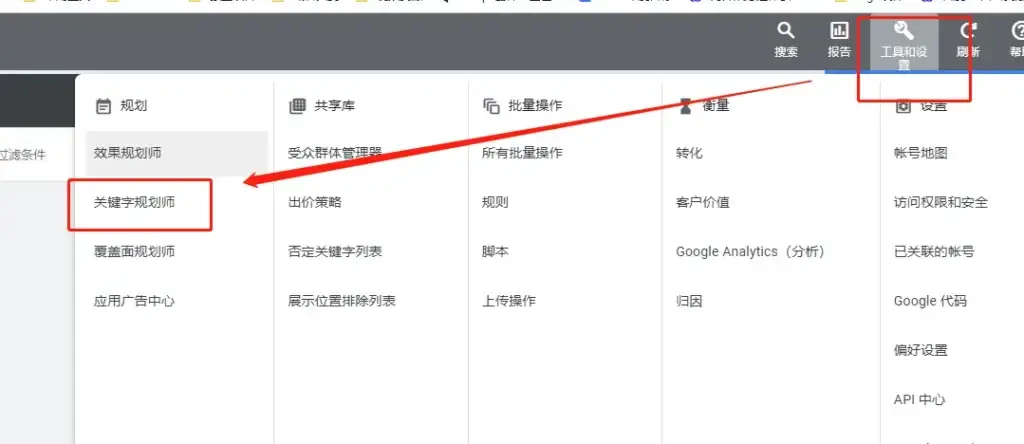
Google Keyword Planner
Google's free official tool: search volume, competition and suggested bids. Its keywords best reflect actual ad-channel performance.
SEMrush
A staple. Keyword data lags about a month. Affordable — shared accounts exist on Taobao, but your data is shared too; businesses should buy the real thing.
SEMrush
Ahrefs
Also a staple, with near-zero keyword lag. Downside: expensive — very — and no shared accounts. If you do SEO professionally, especially link building, it's a must-buy.

Ahrefs
Keyword Tool
A free online tool for long-tail and question keywords.
BuzzSumo
A content-marketing and social research tool for finding the hottest topics and keywords.
BuzzSumo
Keywords Everywhere extension
View volume data right in Chrome; more features are paid.
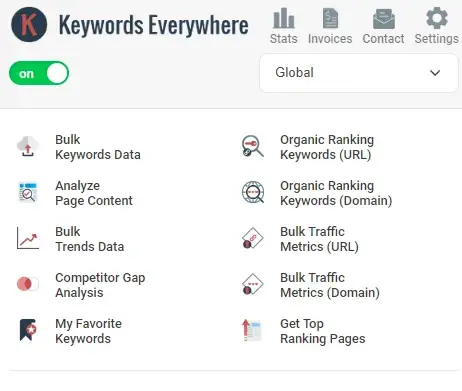
Keywords Everywhere
3. Writing ad copy
Copy must be concise, clear and attractive — express the product's selling points within tight character limits while earning the click. Sources and methods: ChatGPT, competitor copy, and your own invention. The key is relevance to the landing page and keywords; for product URLs, borrow SEO solutions to improve them. I also built a fun feature: post the copy brief in my WeChat account, wait ~2 seconds, and get English ad copy back. Suggested input format: keyword: xxx, requirements: xxxx
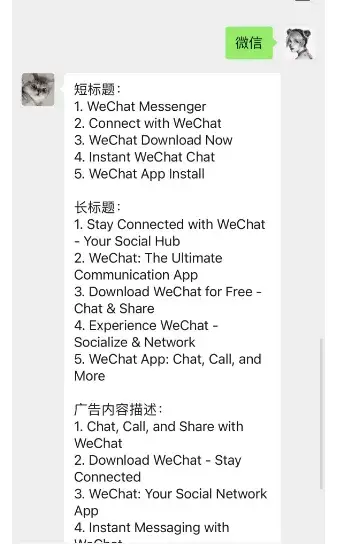
Chatbot on the Nolan聊 account
If usage takes off I'll build a mini-app so nobody has to rack their brains for copy again.
4. Bid strategy
Follow your objective and real test results. Google's algorithm updates aren't announced; a bid that works today may not work next time, and different goals produce wildly different outcomes. General guidance:
Goal: traffic —
- Maximize Clicks:
- Maximizes ad clicks; fits campaigns chasing exposure and traffic.
- Enhanced CPC:
- Auto-adjusts bids toward more conversions without exceeding your CPC cap; fits campaigns wanting both conversions and traffic (especially for owning first-page share on a keyword).
Goal: sales and conversion rate —
- Maximize Conversion Value:
- Pushes conversion value as high as possible; fits revenue goals.
- Target CPA:
- Auto-bids to win the most conversions within your per-conversion cost target.
| Goal | Recommended bid strategies |
| More traffic | Manual CPC, automated bidding |
| Higher conversion rate | Manual CPC, automated, ECPC, CPA |
| Higher revenue | ECPC, CPA, ROAS |
| Lower cost | Manual CPC, automated, ECPC, CPA, ROAS |
Dynamic Search Ads (DSA)
1. Site content
DSA display depends on your website's content — its quality and update frequency are decisive. Thin or stale content weakens DSA performance. (This leans heavily on SEO: rich pages with unambiguous content.)
2. Page targeting
An independent store's structure is simple: product pages, blog pages, and a clean SEO sitemap get you fairly precise page targeting. 3. Bid strategy — same as above, choose by objective. DSA is conversion-oriented, so skip CPC bidding; run ROAS or CPA and test against real results. Those are the core points for search ads — and the bidding section is universal, applying equally to the display and shopping campaigns covered in later posts.
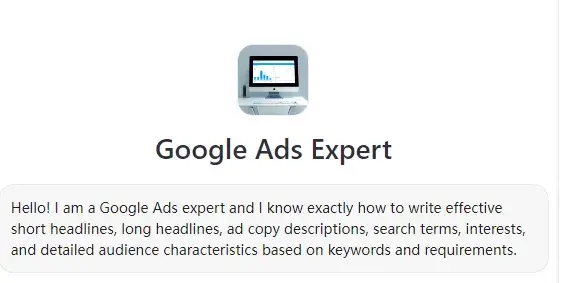
Chatbot google ads expert
FAQ
- What is the core of Google Search Ads optimization?
- Really just one or two things — keyword selection and bidding strategy; the rest is garnish. Standard search ads revolve around keyword choice, research tools, ad copy and bidding, while Dynamic Search Ads live or die by page content quality and page targeting.
- Which keyword research tools should I use?
- Google Keyword Planner is free and closest to real ad-channel performance; SEMrush is affordable but lags about a month; Ahrefs is nearly real-time but pricey and essential for serious SEO and link building; plus the free Keyword Tool, BuzzSumo and the Keywords Everywhere Chrome extension.
- How do I choose a Google Ads bidding strategy?
- Match it to the goal — Maximize Clicks or Enhanced CPC when chasing traffic, Maximize Conversion Value or Target CPA and ROAS when chasing sales. Google updates its algorithm quietly, so a bid that worked last time may not next time — keep testing.
- What matters for Dynamic Search Ads?
- DSA display depends on your site content — page quality, update frequency and a clean structure (product pages, blog, sitemap) determine targeting precision, so it leans heavily on SEO. Bid on ROAS or CPA rather than CPC.