A Brief History of Computational Advertising — the Core of Google Ads in 3 Minutes

Table of contents
Google advertising traces back to 2000, when co-founders Sergey Brin and Larry Page experimented with ads as a monetization path during their academic research. In October 2000, Google launched its first ad product — AdWords — whose core function let advertisers show ads on search results pages, matched to the user's search keywords.
- In 2003, Google launched AdSense, a content-based ad network placing ads on business-relevant websites — extending Google's ad business across the wider web.
- In 2005, Google launched AdWords for Video, a platform giving video creators and advertisers access to traffic on sites like YouTube.
- In 2010, Google launched the Google Display Network (GDN), letting advertisers reach websites beyond search results.
- In 2013, Google introduced Responsive Ads that adapt to different devices and screen sizes — the essence of the responsive format.
- In 2016, AdWords was renamed Google Ads, adding formats and features like app search ads, dynamic search ads and Target CPA.
The evolution of computational advertising
Computational advertising evolved alongside the internet itself:
The static ad era
Early internet advertising was static: advertisers could only run fixed image ads, with generally underwhelming results.

The keyword era: Google Ads becomes king
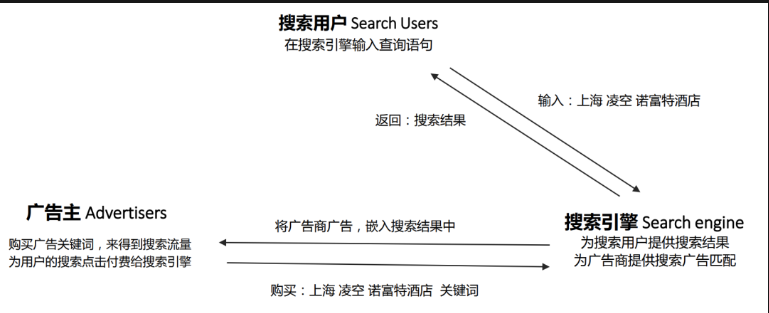
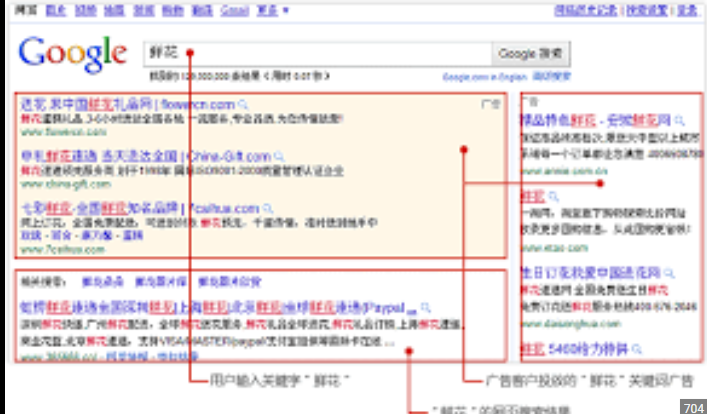
In 2000, Google's AdWords introduced keyword advertising — advertisers target selected keywords, dramatically improving precision and performance.
The auction-ranking era
In 2002, Google introduced auction-based ranking: bid more, rank higher. The model swept the industry. (Key mechanism: the Generalized Second-Price auction, GSP.)
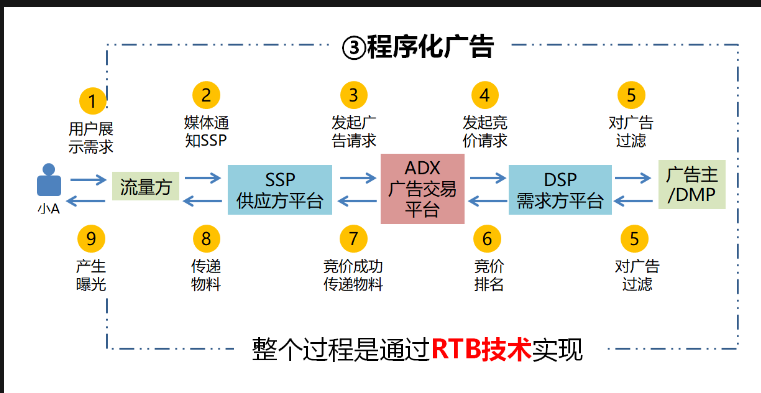
The RTB era
Around 2010, real-time bidding (RTB) reached ad delivery: advertisers bid in real time for individual impressions with precise targeting. (Key auction mechanism: VCG.)
The AI era
In recent years, AI entered ad delivery: big-data analysis drives intelligent, personalized ad serving.
RTB vs auction ranking
RTB — Real-Time Bidding — is a technology of online ad exchanges. It automatically connects demand and supply: buyers bid in real time for impressions, sellers auction inventory to the highest bidder for maximum yield.
In Google Ads, auction ranking is keyword-based: advertisers bid on keywords relevant to their ads, and a complex algorithm orders ads on the results page.
The differences:
Auction ranking is keyword-based — bids target specific keywords.
RTB bids on individual ad impressions in real time — bids target specific placements.
Also, RTB is more real-time: bids, impressions and clicks update live, while auction ranking lags somewhat.
Put simply:
Auction ranking is triggered by keywords, with display order settled in advance by the platform.
RTB doesn't depend on keyword triggers or keyword scenarios — it triggers mainly on user behavior (cookies). That gives it a huge advantage in display advertising, and because behavioral data reflects user value more precisely than keywords, it became the next revolutionary technology.
The flagship: Facebook.
Facebook ads are essentially RTB ads.
Through Ads Manager, Facebook serves ads via real-time bidding, showing ads to target audiences at the best price and position. Advertisers set goals and budgets, then fine-tune placements, schedules and audiences for better results.
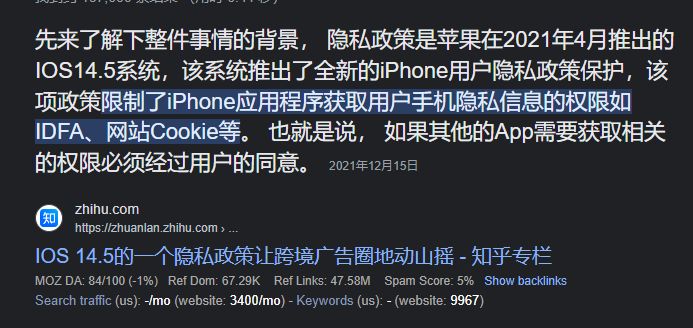
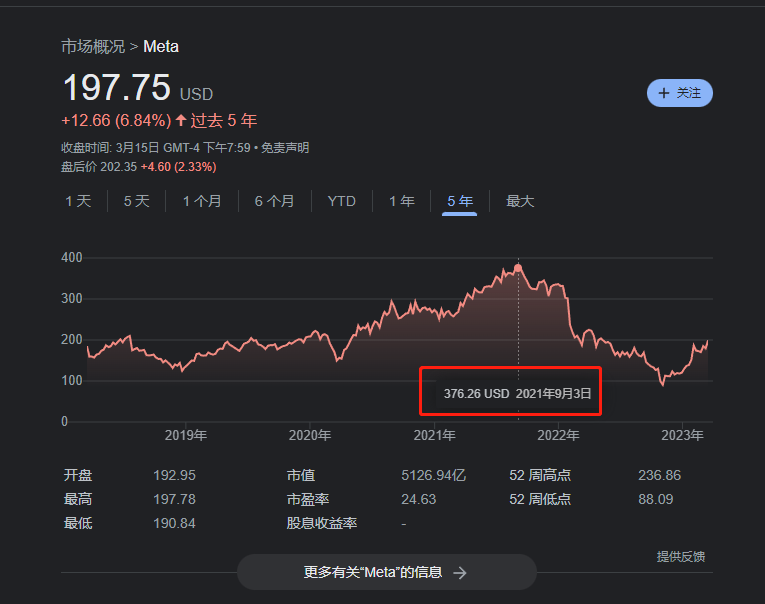
But with Apple leading the privacy push, the third-party data (cookies) that RTB depends on effectively went bankrupt. Display advertising of the RTB era could no longer obtain precise user data — Facebook's ad performance dropped sharply after iOS 14.5. Google suffered too, and both were forced toward a first-party-data-driven AI era. That's part of the origin story of PMax and GA4.
Facebook's stock: