
Google Ads Placements (2026): Search, YouTube, Gmail and More
Campaign type, asset format and the actual serving channel are different concepts. The old article treated Shopping as one location, Gmail as a fixed standalone ad type, and PMax channel delivery as almost invisible. By 2026 those statements are stale. Advertisers can inspect PMax channel contribution, although they still cannot allocate a separate budget to every channel as they would structure standard Search campaigns.
Main Google Ads channels in 2026
Google's official Performance Max channel guide identifies cross-channel delivery across:
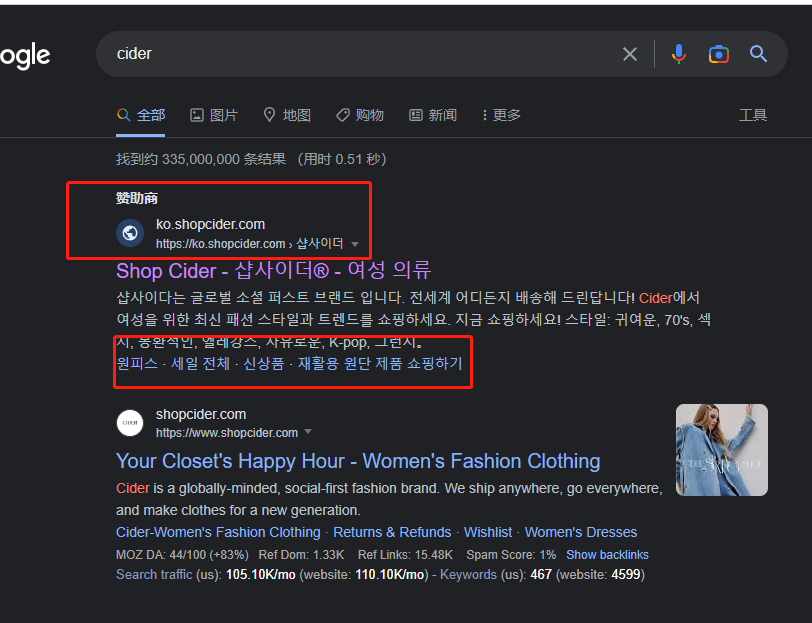
- Google Search: text or product-data ads in Google search results, useful for explicit demand;
- Search partners: partner search inventory that can be separated from Google Search in reporting;
- Google Display Network: text, image, video and responsive inventory across partner sites, mobile sites, apps and some Google properties;
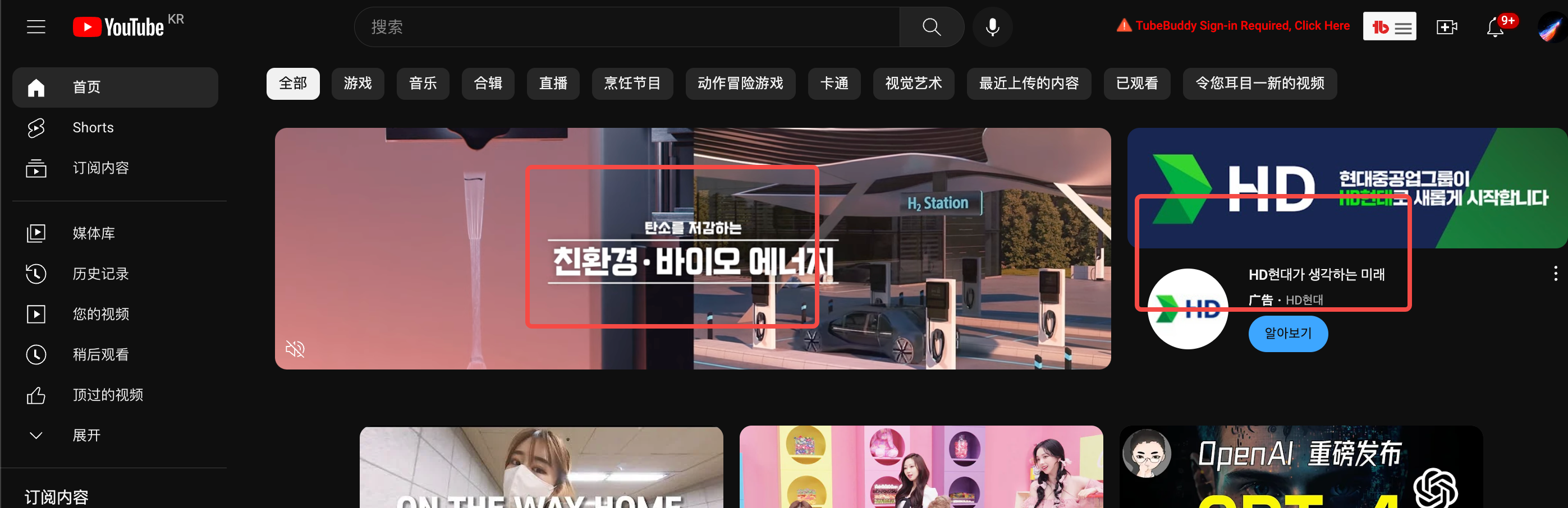
- YouTube: not only video—text, image and product-data formats can also appear;
- Discover: native image and video experiences in Google feeds;
- Gmail: placements in Gmail surfaces, commonly reached through Demand Gen or cross-channel campaigns;
- Maps: Google Maps and Waze inventory for local or place-related intent.
Is Shopping a placement?
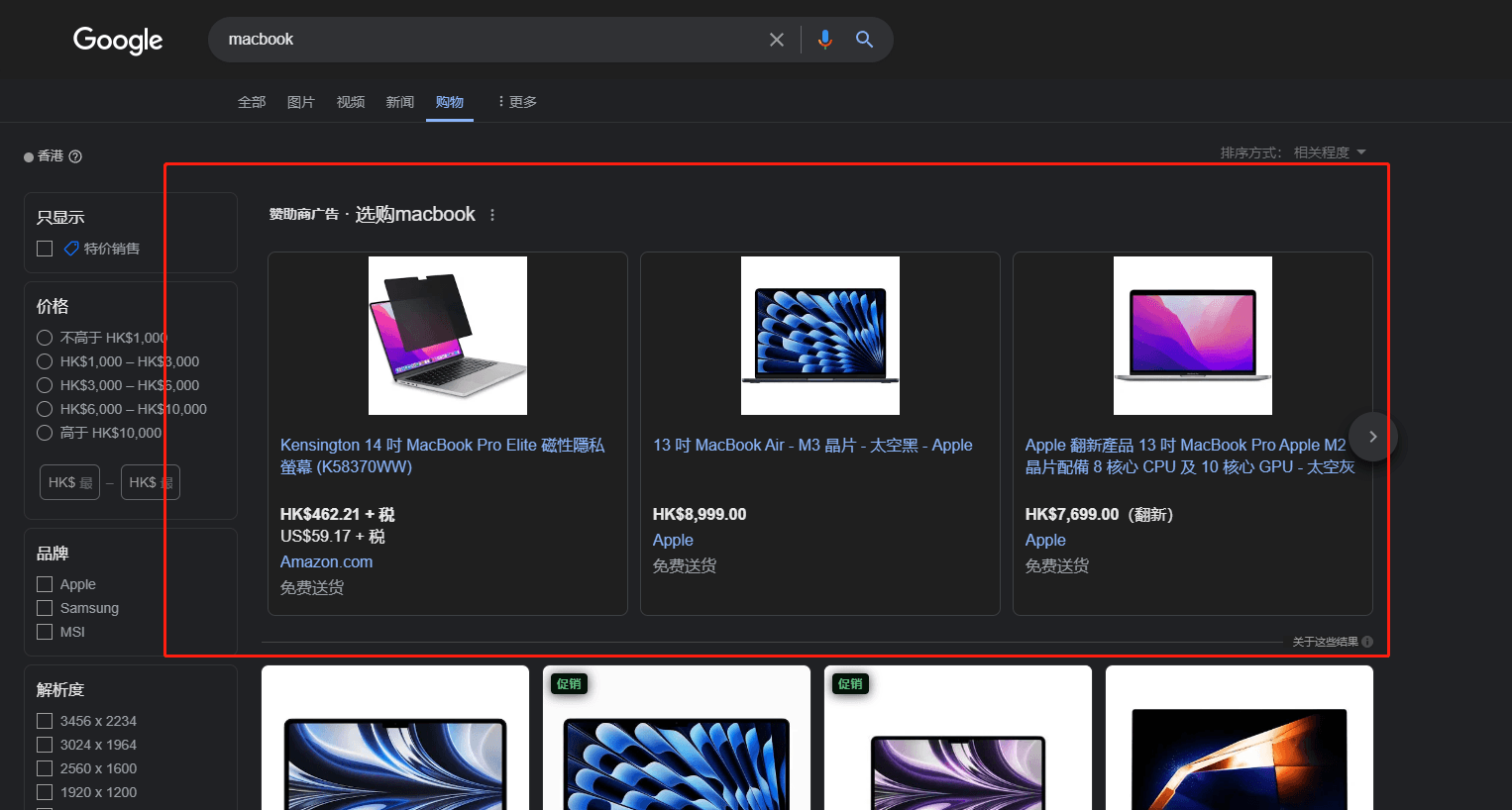
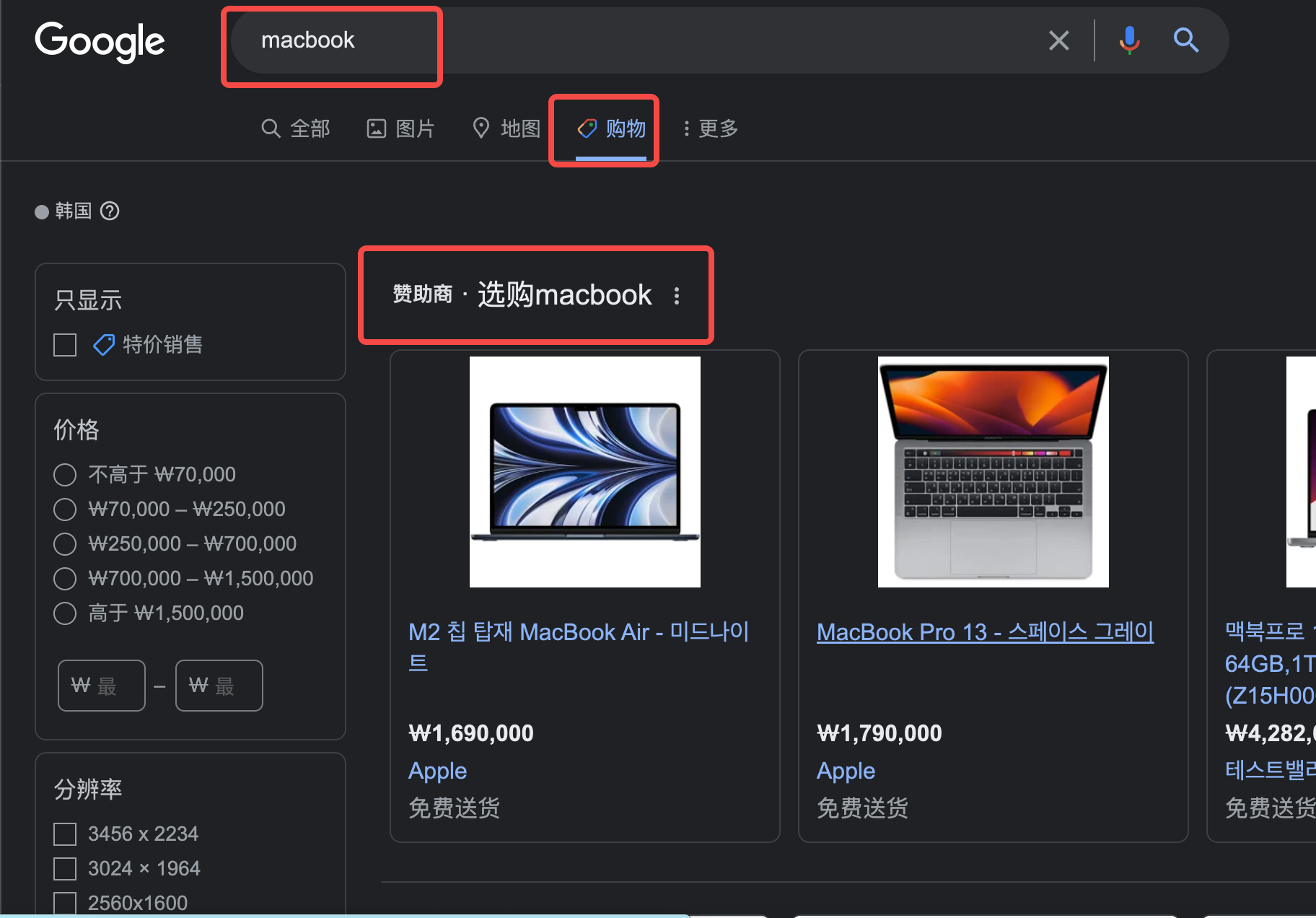
Shopping is more accurately a format and inventory combination using Merchant Center product data, not one page called Shopping. Product ads can serve across Google Search, the Shopping tab, YouTube Search, Maps, search partners and other feed-enabled surfaces. Ecommerce advertisers should first maintain product, price, availability, image, landing-page and policy data in Google Merchant Center, then examine how a campaign uses that data.
How campaigns map to channels
- Search: primarily Google Search and enabled search partners, with relatively direct keyword, search-term and negative-keyword controls.
- Shopping/PMax for retail: uses Merchant Center data; PMax can additionally optimize across Search, YouTube, Display, Discover, Gmail and Maps.
- Demand Gen: focuses on YouTube, Discover and Gmail, and is absorbing Google Display Network inventory in a phased 2026 rollout.
- Standard Display: historically targeted the Display Network. Google announced a phased migration tool into Demand Gen beginning in 2026, so account interfaces can differ by rollout cohort.
- Video: emphasizes YouTube and related video inventory; exact availability depends on objective and format.
See where ads actually served
PMax channel performance
In Google Ads, open Campaigns → Insights and reports → Channel performance. The report shows channel-level impressions, clicks/interactions, cost, conversions and conversion value, plus diagnostics for assets, product data and eligibility. Google says the available report date range begins June 6, 2025.
Placements and suitability
For Display and YouTube, review placement reporting, content suitability and account-level placement exclusions. PMax does not expose a per-channel budget split, but accurate goals, complete assets, search themes, audience signals, negative keywords and appropriate content exclusions can influence scope. Excessive exclusions can reduce reach, so document every change and compare before/after results.
Do not compare unlike interaction metrics
A Search click, YouTube view, Gmail expansion and Display interaction represent different behavior and can use different billing events. Do not rank channels by CTR alone. Compare incremental conversions, conversion value, profit and attribution windows against the same business objective, and verify that conversion tracking is neither duplicated nor missing.
Ecommerce selection order
- Define whether the job is reach, demand capture, product sales or remarketing.
- Validate conversion and value reporting before relying on automated bidding.
- When explicit search demand exists, begin with a controllable Search structure.
- Test PMax after the product feed and a complete asset set are compliant.
- Use Demand Gen/YouTube for visual discovery with a predefined incrementality test.
- Review channels, search terms, assets, product diagnostics and profit weekly rather than relying on aggregate ROAS.
Knowing where an ad can appear is only the map. Preventing waste requires channels, assets, goals, audiences and accurate conversion data to be evaluated together.