
TikTok × Shopify, 3 Years In — Did Merchants Actually Profit by 2024?
As social media matured, merchants woke up to social commerce. TikTok is unquestionably the hottest social channel of recent years, and most people in China assume it can replicate Douyin's domestic miracle.
As one of the world's most popular short-video platforms, TikTok is fast becoming the new favorite for product discovery and purchase. In 2024, companies in Guangzhou are literally hiring short-drama screenwriters for cross-border e-commerce — exporting the domestic playbook wholesale, and it demonstrably works.
Shopify, the leading e-commerce platform, partnered with TikTok back in 2020, offering merchants unprecedented opportunity. But have Shopify merchants actually profited? Not necessarily — my own experience has been… complicated.
This article covers the TikTok–Shopify partnership, how to combine the two, and the pros and cons — to help you balance TikTok Shop against your independent store.
1. What is TikTok?
TikTok is a short-video social app launched by ByteDance (now separated from ByteDance into a US-controlled company). Since 2016 it has swept the world. Users create and share short videos across music, dance, comedy, beauty and fashion. It's both entertainment and a powerful product discovery engine.
The TikTok–Shopify partnership
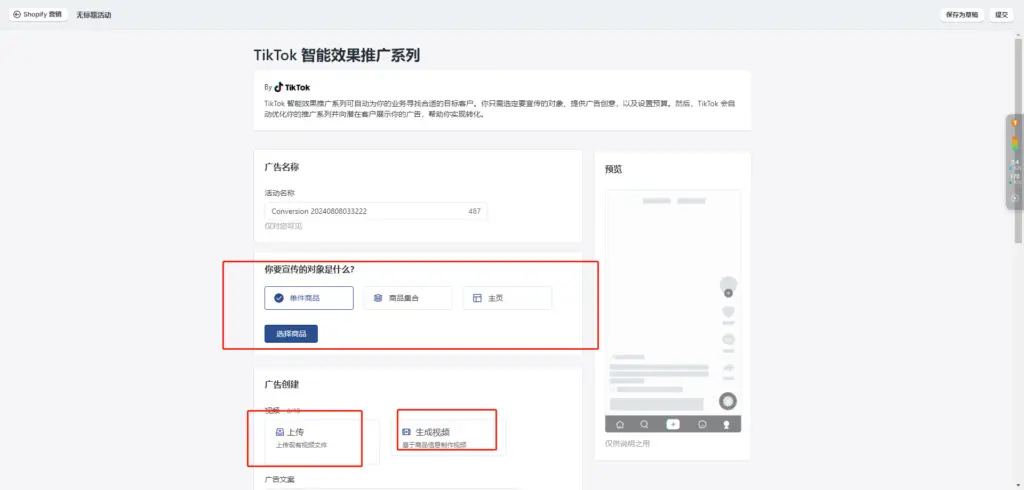
In 2020, TikTok and Shopify announced a partnership around the TikTok for Business ad solution. Merchants connect their Shopify store to a TikTok account, create and manage campaigns on TikTok, and promote Shopify products directly — a powerful tool for converting social traffic into sales.
I didn't jump in at launch: friends who did were all cursing the garbage ad algorithm. Agency subsidies made it tolerable — without them nobody would have wanted to spend.
2. Combining TikTok and Shopify
1. Create a Shopify store and connect TikTok
-
Create the store:
-
Register at the Shopify site.
-
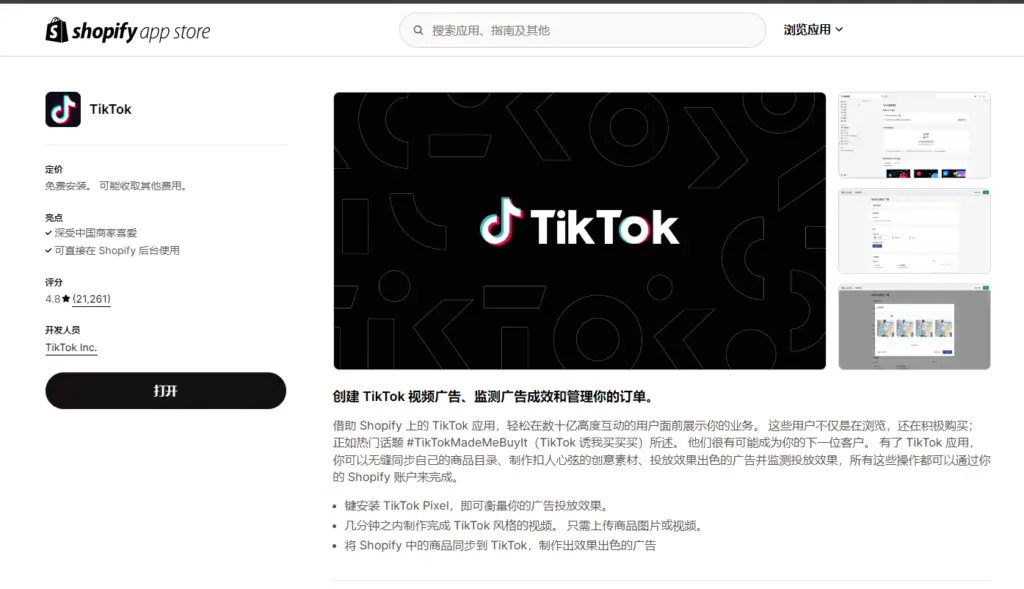
Install the TikTok app:
-
In Shopify admin, open the App Store, search TikTok, install.
-
Follow the prompts to connect your TikTok account.
-
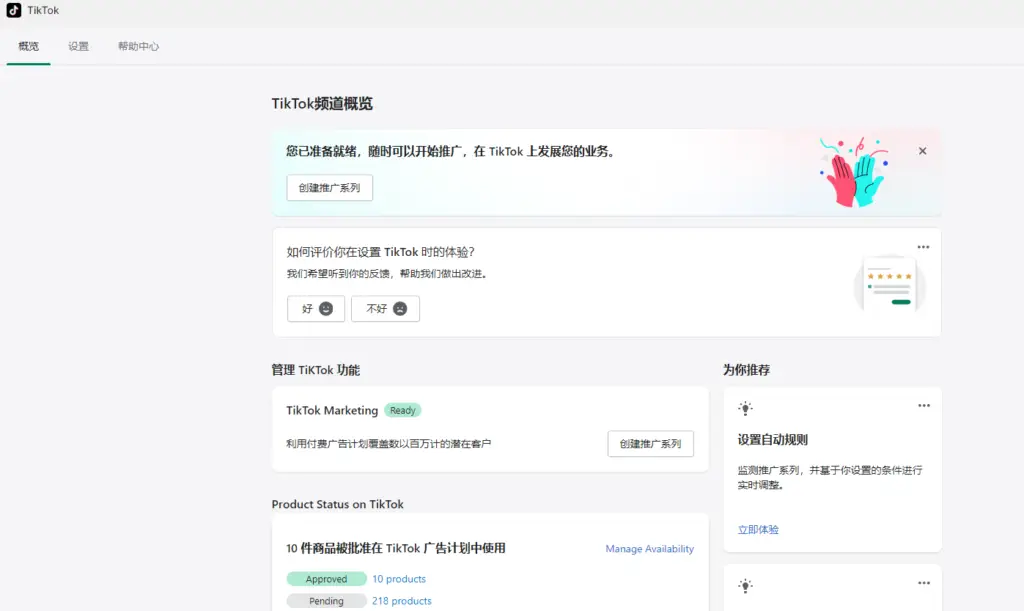
Run campaigns:
-
Use the in-app tools to create appealing ad videos.
-
Set goals, budget and audience; launch.
2. Promote products on TikTok
TikTok offers several promotion formats:
- Live shopping: demo products live, answer questions in real time, drive immediate purchases.
- Shoppable videos: add purchase links inside videos so users buy without leaving.
- Product showcase: display products in your account's shopping tab for browsing and purchase.
3. Pros and cons of the partnership
Pros
- Massive user base: TikTok's audience — especially the young — extends your reach.
- Efficient conversion: entertainment and interactivity make ads more engaging and conversion higher.
- Convenient integration: manage products, inventory and ads from one place.
Cons
- High content bar: TikTok content demands creativity and craft — more time and resources per video.
- Fierce competition: standing out among brands requires constant innovation.
- Regional limits: TikTok Shop is only open in certain countries; check your eligibility.
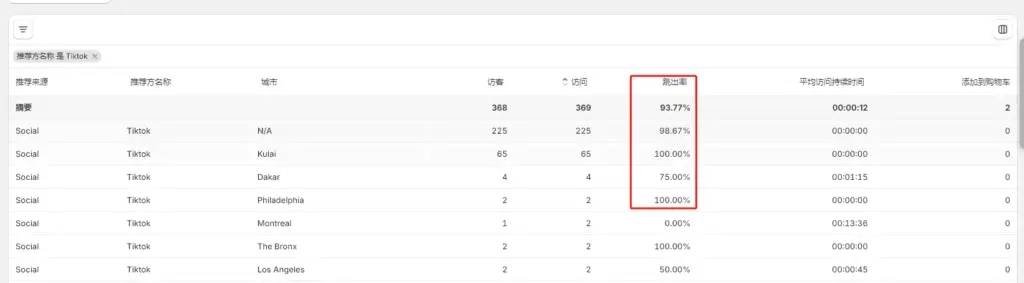
From personal experience, the TikTok Shop–Shopify partnership looks more like TikTok using Shopify data to train its own TikTok Shop algorithm. Try running TikTok traffic to your independent store — TikTok → store — and I'm sorry: the data is atrocious, with bounce rates around 95%. I gave up after less than $100. Pure garbage traffic.
Yet friends running TikTok Shop campaigns do very well — CPA under 10, genuinely tempting conversion costs.
Clearly, the partnership won Shopify fame and won TikTok training data — a win-win for them. For merchants, you can't have both; you can only weigh the trade.
4. Weighing TikTok Shop against the independent store
TikTok Shop's strengths
- Direct conversion: purchases complete inside the platform — shorter path, higher efficiency.
- Traffic engine: algorithmic recommendation and trending topics deliver organic reach.
- Interactivity: live streams and comments build real-time engagement and stickiness.
The independent store's strengths
- Brand independence: a store presents your brand fully and builds recognition.
- Data control: you own the user data for precise analysis and strategy.
- Channel integration: a store unifies social, marketplaces and offline into omnichannel marketing.
How to decide
- Market positioning: if your customers live on TikTok, lead with TikTok Shop; if your brand needs room and independence, lead with the store.
- Resources: can your team sustain TikTok content production AND store maintenance? Allocate realistically.
- Use both: the optimum is complementary — funnel TikTok into the store, and point store visitors at your TikTok account, closing the loop.
Related links: