
Domain Registration — Everything You Need to Know in 5 Minutes
As mentioned in the Shopify store setup guide, building a brand store means thinking clearly about what you sell — and your domain is part of that.
This article covers domain registration from four angles:
-
What makes a good domain.
-
How to research a domain.
-
How to buy one.
-
How to point DNS at your store.
Table of contents
What makes a good domain?
Three angles to think from:
1. It has a story
You watched a show, or your partner is called Anny, so you register anny.com. Perfectly reasonable.
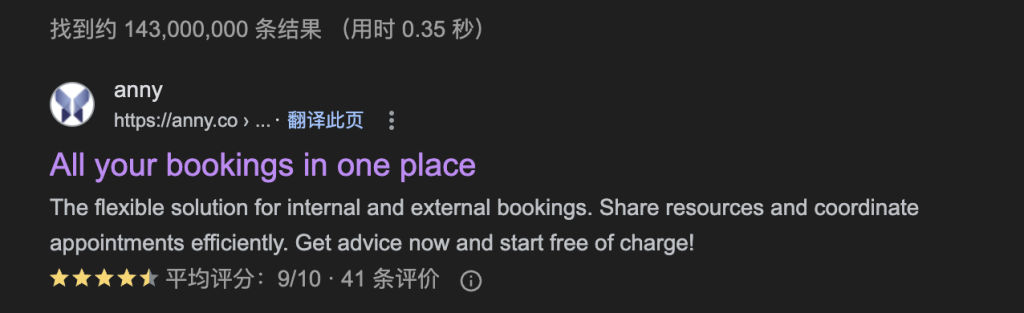
A story makes a name romantic and interesting — that's one kind of brand. It's no different from a random name, except the story helps you carry it. Look at shein.com or anker.com: the letters mean nothing, but success gave them brand value. Have a story, and think about how you'll tell it.
2. Business relevance
Take anny.com again — romantic, storied, but what does anny.com actually sell? Hard to say. And for SEO, getting a search engine to understand what your site is about takes work.
If you sell jewelry, put the keyword in: annyjewelry.com makes a perfect first impression.
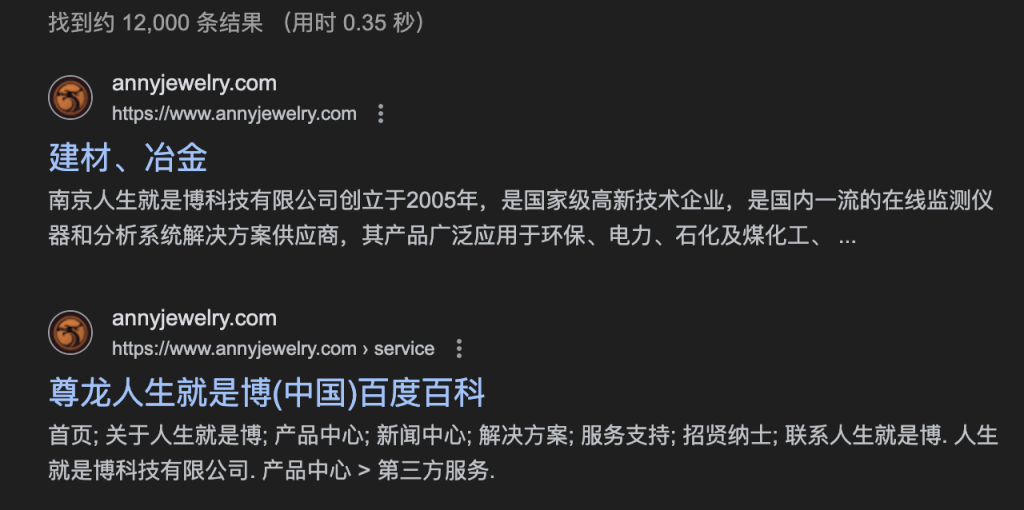
Customers instantly know you sell jewelry — and so does Google.
3. Pure SEO value
Some people register a domain and find traffic arriving before they've even built a page. Two causes:
One: the domain accumulated backlinks in a past life — someone linked to it years ago, and that traffic flows back once you rebuild. Check a domain's history at the Wayback Machine.
Two: people actually search your name. Adult-adjacent domains are the classic example, but also Amazon brands: once customers love a product they search the brand name — which is why Amazon brands doing their own store have a real SEO head start.
A domain that has both SEO value and a brand story is the jackpot. To find one, you need to do research.
How to research a domain
1. The SEO staple: SEMrush
A veteran SEO tool — pricey, though shared accounts float around on Taobao. To avoid privacy risks, buy the real thing once your business takes shape.
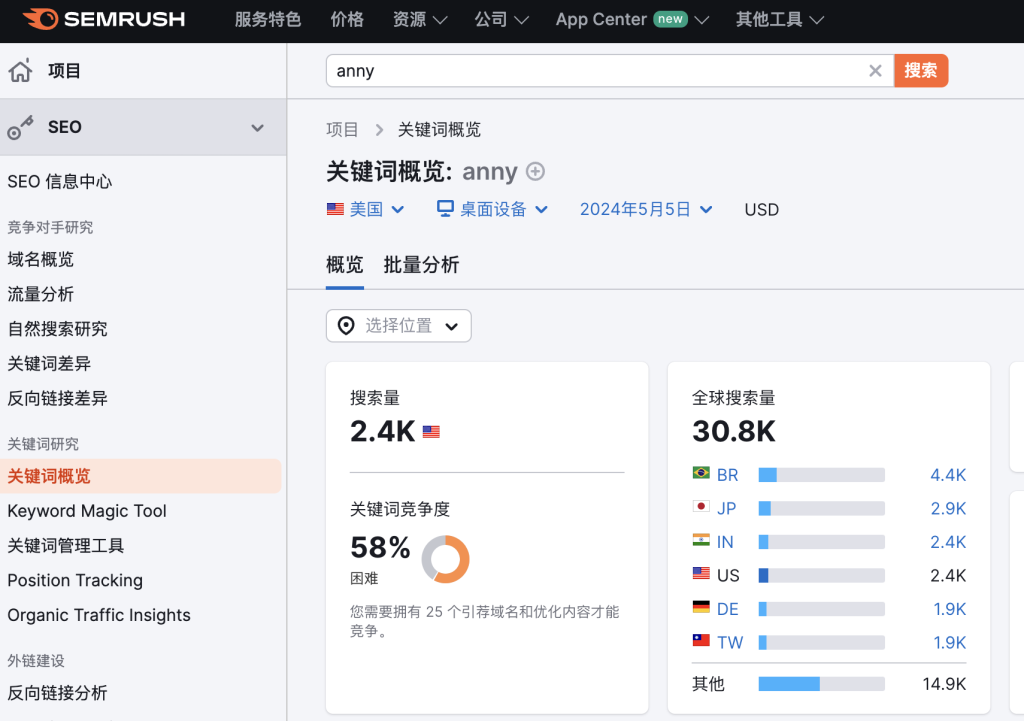
Search a keyword and you get volume and SERP data — exactly what you need to judge whether a word is worth building a domain on.
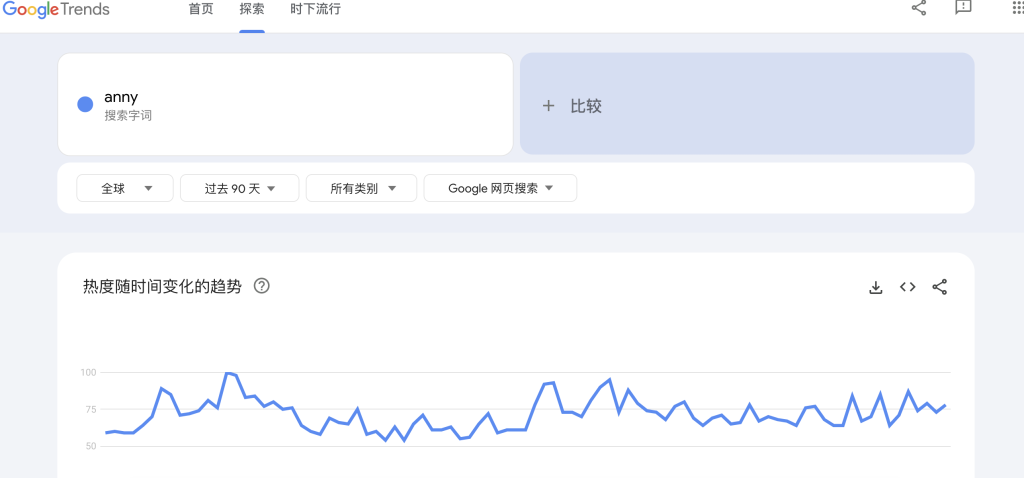
2. The free gem: Google Trends
Google's trend tool, free. You see how a keyword trends over time; the downside is no absolute volume, and only 20 related keywords.
3. Google Ads Keyword Planner
Register a Google Ads manager account and you get Keyword Planner — its numbers are essentially real advertising data. A valuable keyword shows healthy search and ad volume.
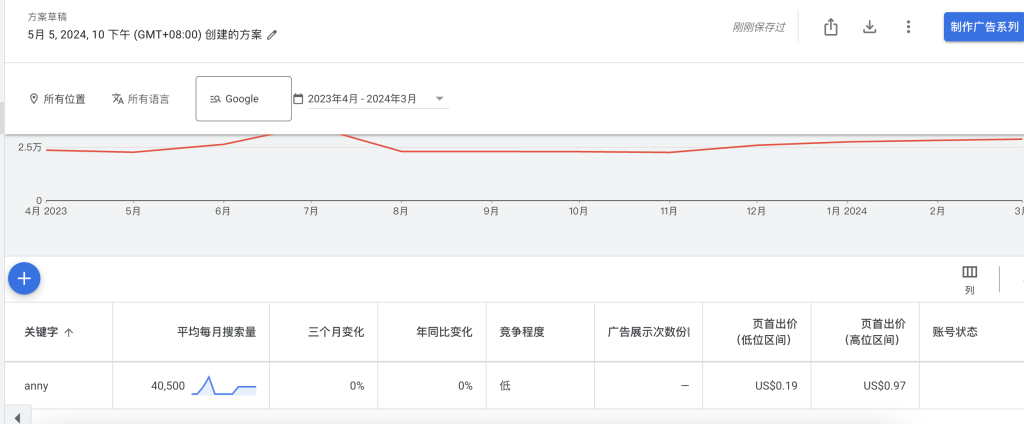
My workflow: validate the idea on Google Trends first; if the trend looks good, check SEMrush for broad-match keywords and competition; then cross-check in Keyword Planner.
With research solved, the next question is choosing.
Other things to consider
Subjective, but from an SEO and memorability standpoint, four rules:
1. Stay relevant
Don't sell jewelry on a recipe domain.
2. Keep it under 7 characters
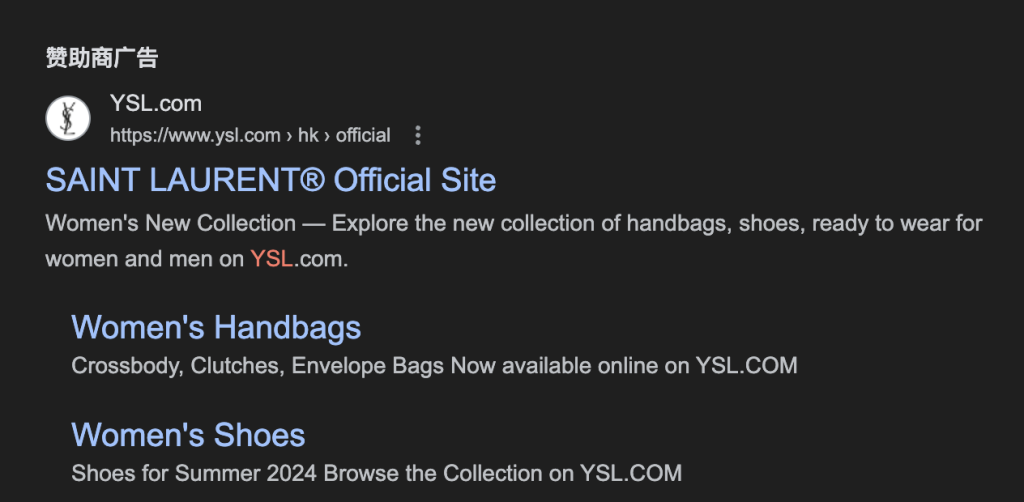
shein.com, temu.com, amazon.com, wish.com — noticed? The famous ones are all ≤7 characters. What needs to spread must be simple; that's communication theory. Tell me your brand is youshinelonger and I'll never remember it. Tell me it's YSL and it sticks instantly. Good names are short and memorable.
3. SEO fit
After decades of internet, a niche, memorable, high-SEO-traffic domain that's still unregistered is rare. If you find one that fits your brand AND has traffic, buy a lottery ticket too. Meeting basic SEO is enough — annyjewelry.com beats anny.com for being remembered.
4. Which TLD?
.com, .cn, .org, .net — which one? For general business, .com is enough. Country-code TLDs come with per-country policies (China's .cn requires filing, for instance). Unless you serve a single country, skip ccTLDs.
If .com is taken, .net and .co are unrestricted alternatives. Mainstream choice is still .com — though if you're an AI business, .ai may suit you better. It comes back to the first rule: business first.
How to buy a domain
Chinese registrars: Alibaba Cloud
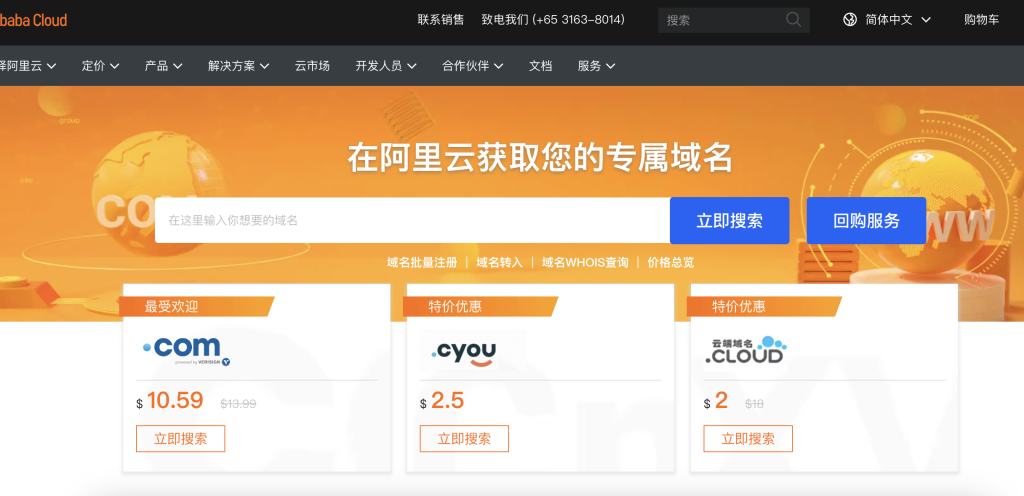
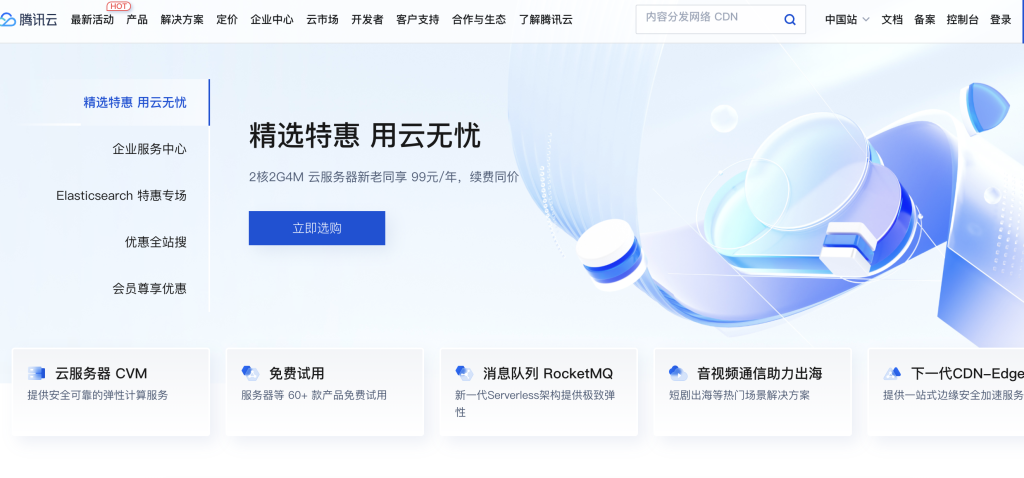
Alibaba Cloud is convenient — its predecessor HiChina was China's earliest registrar. Tencent Cloud also works; use whichever is handier.
International registrars: GoDaddy
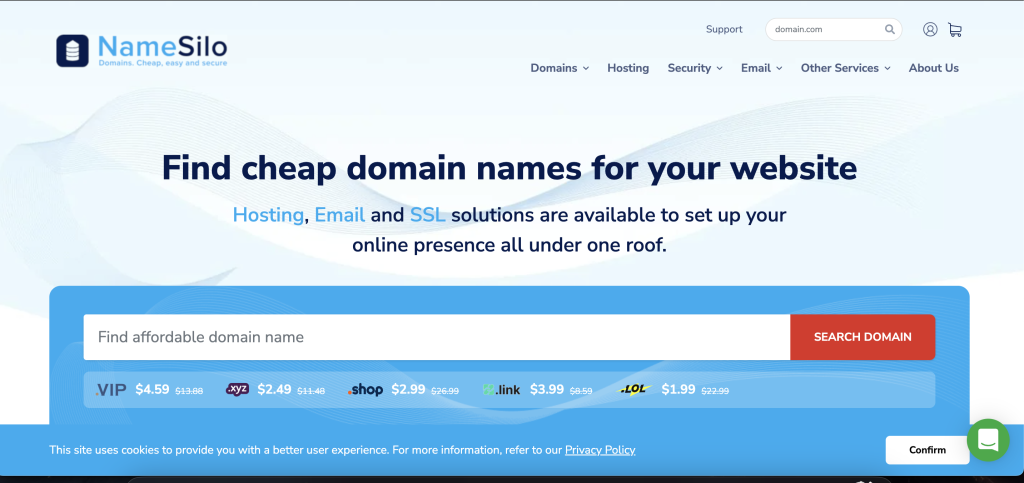
Consider GoDaddy, Namecheap, or NameSilo. Some even accept Alipay and WeChat Pay (NameSilo does). GoDaddy — a company known for heavy advertising in China — leads on domain privacy, which matters; it's my personal recommendation.
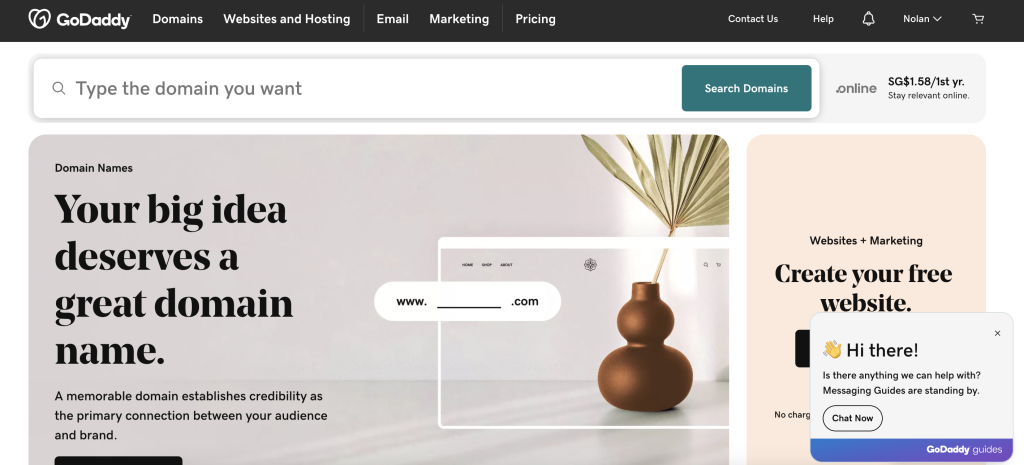
Registrars differ in services: GoDaddy has a rich domain inventory, modern tooling, default privacy protection, plus domain parking — unused domains can earn traffic fees or be listed for sale.
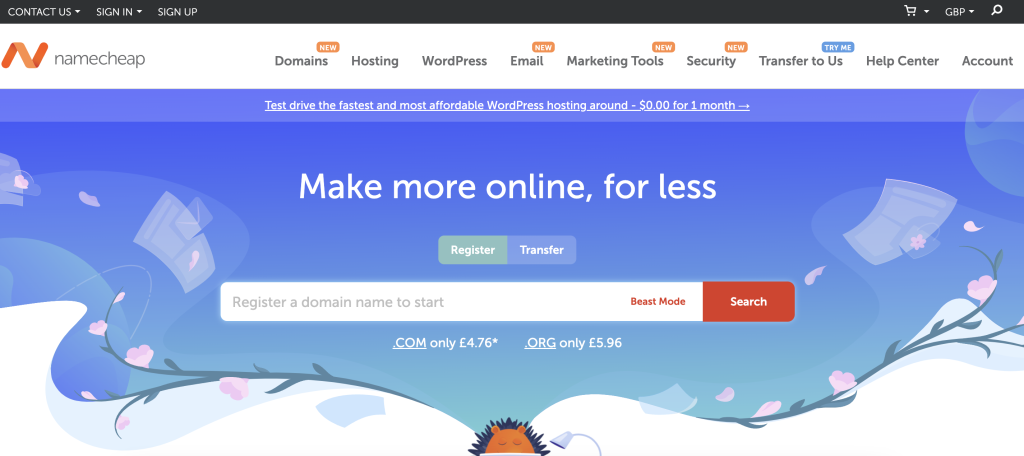
NameSilo bundles hosting, email and other site services — none of which matter for Shopify. What matters is a cheap, safe, stable, convenient home for your domain.
Some prefer international registrars for political or server-location reasons — understandable; it's a form of risk control.
If you sell to Europe and America, register internationally; GoDaddy is the best all-round option. Watch the renewal price though — year two costs more.
How to connect DNS
How you connect the domain to Shopify depends on where you bought it.
If you bought from Google Domains, GoDaddy or 1&1 IONOS, the connection is automatic — just follow the prompts.
From any other provider, connect manually:
Step 1: Change the DNS records at your registrar
- Log in to your registrar account.
- Find the DNS settings / domain management area.
- Change these records:
- Point the A record to Shopify's IPv4 address
23.227.38.65. - Set the host name to
@if needed. - Delete any other A records on the domain.
- Point the AAAA record to Shopify's IPv6 address
2620:0127:f00f:5::. - Set the host name to
@if needed. - Delete any other AAAA records.
- Point a CNAME record named www to
shops.myshopify.com.— include the trailing period.
- Point the A record to Shopify's IPv4 address
- Save.
Step 2: Connect the domain in Shopify
- In Shopify admin, go to Settings > Domains.
- Click Connect existing domain.
- Enter your domain, e.g.
johns-apparel.info, and click Next. - Click Connect domain.
Verification can take up to 48 hours. Once verified, the domain appears in the Domains section with status Connected.
Still unsure? See Shopify's own domain guide.
After connecting, global propagation can take up to 48 hours, during which things may be briefly unstable.
FAQ:
Q: What are the common DNS record types?
A:
A record (Address Record): resolves a domain to an IPv4 address. AAAA record: resolves a domain to an IPv6 address. CNAME record (Canonical Name): points a domain at another domain, typically for redirects. MX record (Mail Exchange): specifies mail servers and their priority. TXT record: stores text tied to the domain, e.g. SPF and DKIM records. NS record (Name Server): specifies the domain's name servers. SRV record (Service Record): specifies servers providing particular services.
FAQ
- What makes a good domain name?
- Three angles: a story (like shein or anker — meaningless letters that gained brand value), business relevance (annyjewelry.com tells users and search engines you sell jewelry), and pure SEO value (keywords with existing search volume). Keep it under 7 characters and prefer a .com.
- Which tools should I use before registering?
- Three staples: SEMrush (keyword volume and competition), Google Trends (free trend checks), and Google Ads Keyword Planner (near-real advertising data). Validate an idea in Trends, dig deeper in SEMrush, then cross-check in Keyword Planner.
- Where should I buy a domain?
- In China, Alibaba Cloud (formerly HiChina) is convenient, and Tencent Cloud works too. Internationally, GoDaddy is my recommendation (modern tooling, default privacy protection), with Namecheap and NameSilo as solid alternatives — NameSilo even accepts Alipay and WeChat Pay.
- How do I connect the domain to Shopify?
- Two steps: change the DNS records at your registrar (A record to 23.227.38.65, AAAA to Shopify's IPv6, CNAME www to shops.myshopify.com.), then in Shopify admin go to Settings → Domains → Connect existing domain. Verification can take up to 48 hours.