
5 Mainstream International AI Websites
ChatGPT changed the game everywhere. Here are the 5 AI tools I use regularly — every one personally tested. They're powerful and suit all kinds of users. Bookmark this; more recommendations later.
5 mainstream international AI websites
1. ChatGPT — the AI chatbot
URL: https://www.openai.com/chatgpt Rating: ⭐⭐⭐⭐⭐ Best for: anyone who needs an AI assistant, especially for writing, learning and everyday Q&A. What it does: ChatGPT is OpenAI's chatbot — if you clicked into this article you already know it. It remains a cliff-edge leader among models: plenty of open-source competitors iterate fast, but on monetization and reach it's far ahead. Since GPT-4o became free, the quality jump over 3.5's canned answers is dramatic. It answers anything, writes and rewrites, and even coaches your studies. My experience: ChatGPT is my most-used tool. Since 4o went free I converse with it daily — all my Python fixes, copywriting and support templates run through GPT. Genuinely good.
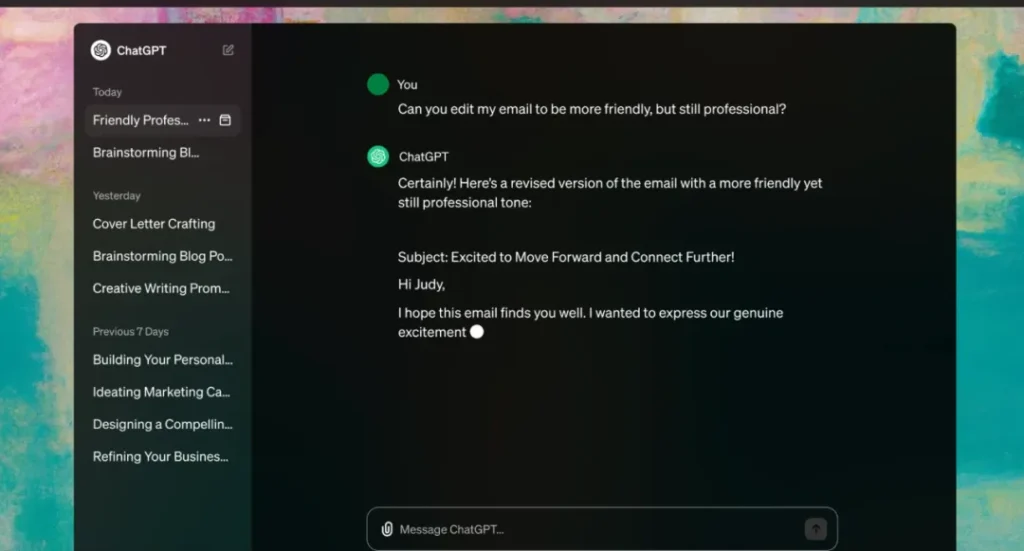
ChatGPT interface
Downsides: heavy use, file and image features need Plus — and paying for Plus from mainland China is a hassle.
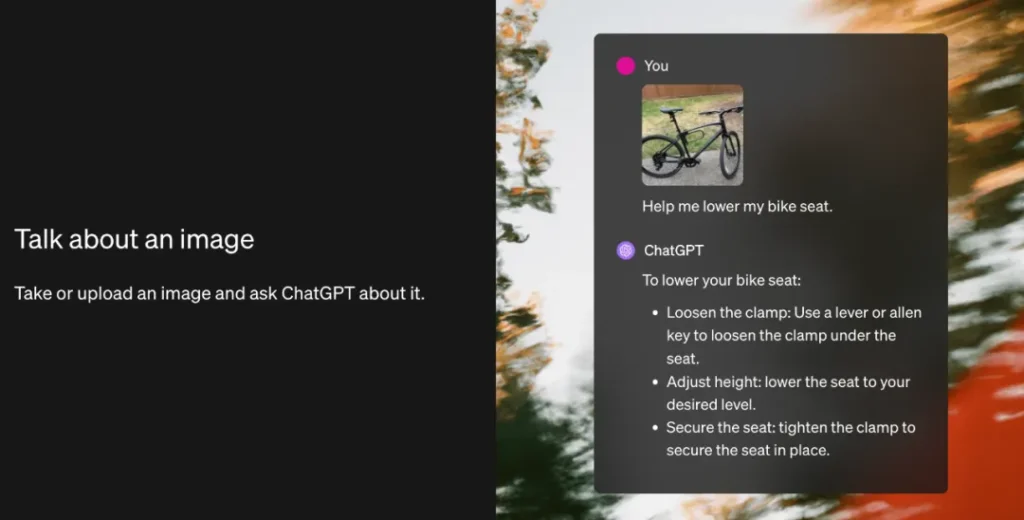
ChatGPT interface
2. Canva — online design magic
URL: https://www.canva.com Rating: ⭐⭐⭐⭐⭐ Best for: design hobbyists, Xiaohongshu creators, marketers. What it does: Canva is outstanding (to me at least) — my Xiaohongshu graphics are all Canva, and I pay for the annual plan. Hugely popular, with rich templates and assets: posters, business cards, résumés, social posts, all easy.
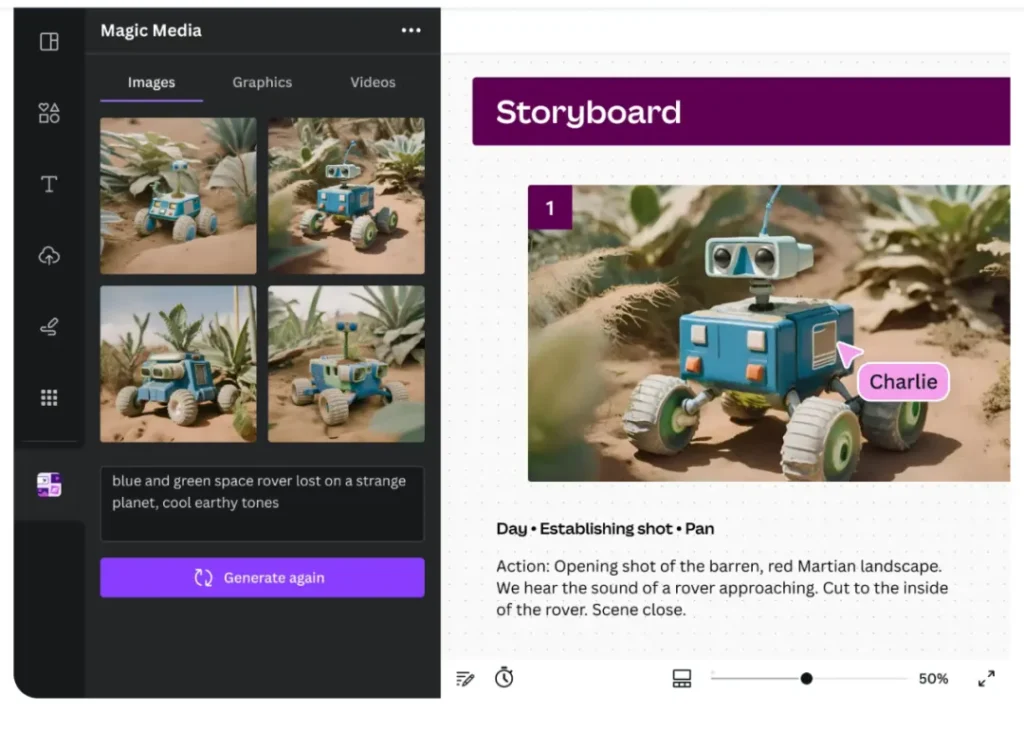
Canva interface
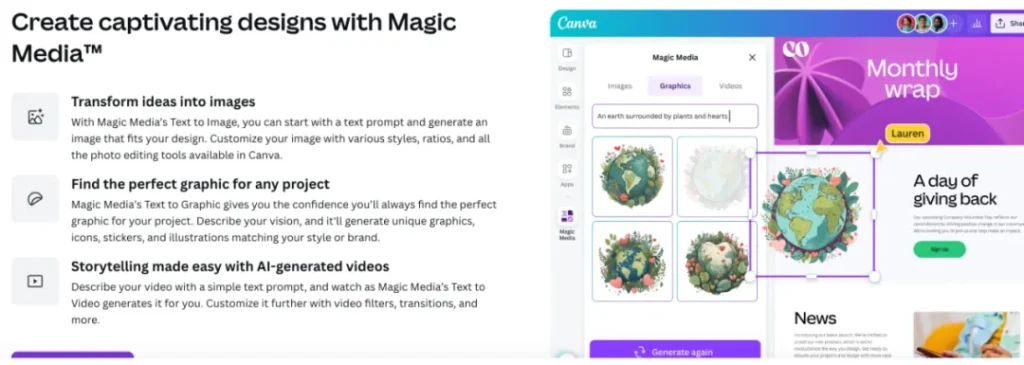
Canva interface
My experience: as a design amateur, Canva is a lifesaver — simple, friendly, tons of free assets. Its AI image generation, powered by their asset library, is decent too.
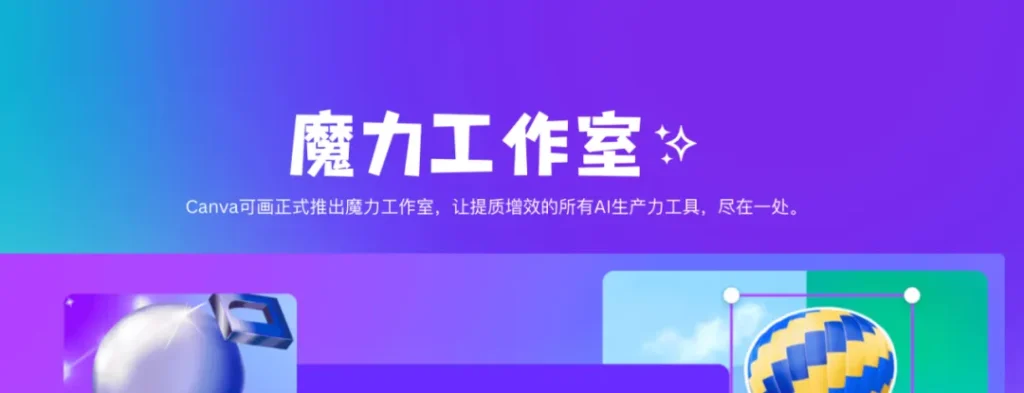
Canva interface
3. Grammarly — the writing checker
URL: https://www.grammarly.com Rating: ⭐⭐⭐⭐ Best for: students, writers, professionals. What it does: Grammarly is a powerful writing assistant — a must-know among international students. Before AI went mainstream, its rewriting and plagiarism tools were already the student arsenal; with AI added it's stronger still. It detects and fixes grammar, spelling and style issues in English writing, with detailed explanations and suggestions.
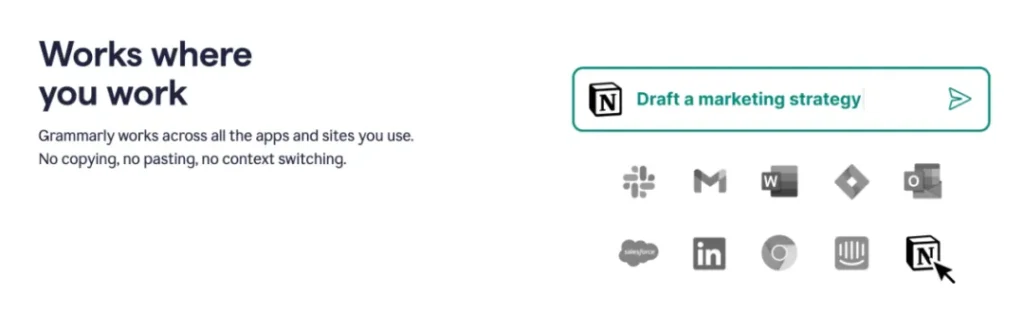
Grammarly interface
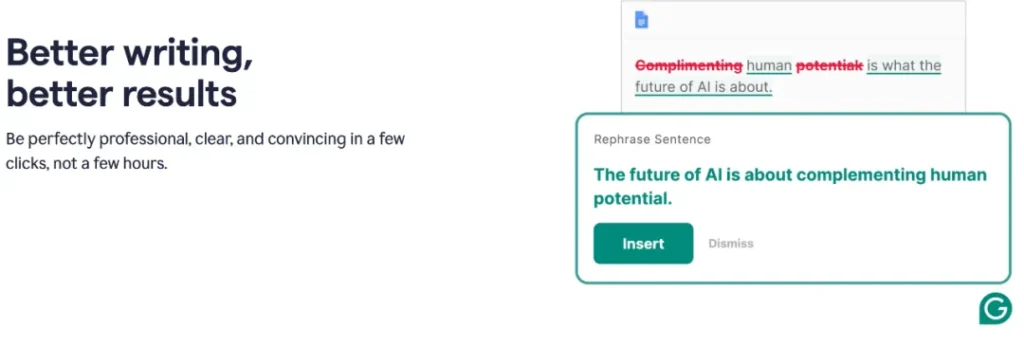
Grammarly interface
My experience: my email templates come from ChatGPT, but Grammarly is very helpful for checking SEO blog posts — I regularly milk the free tier. A bit pricey for a tool I don't use daily. Bonus: it integrates with practically every writing app.
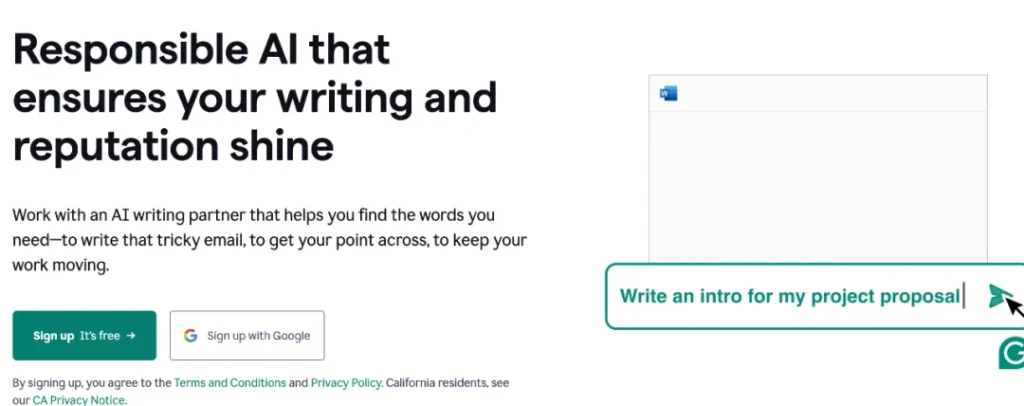
Grammarly interface
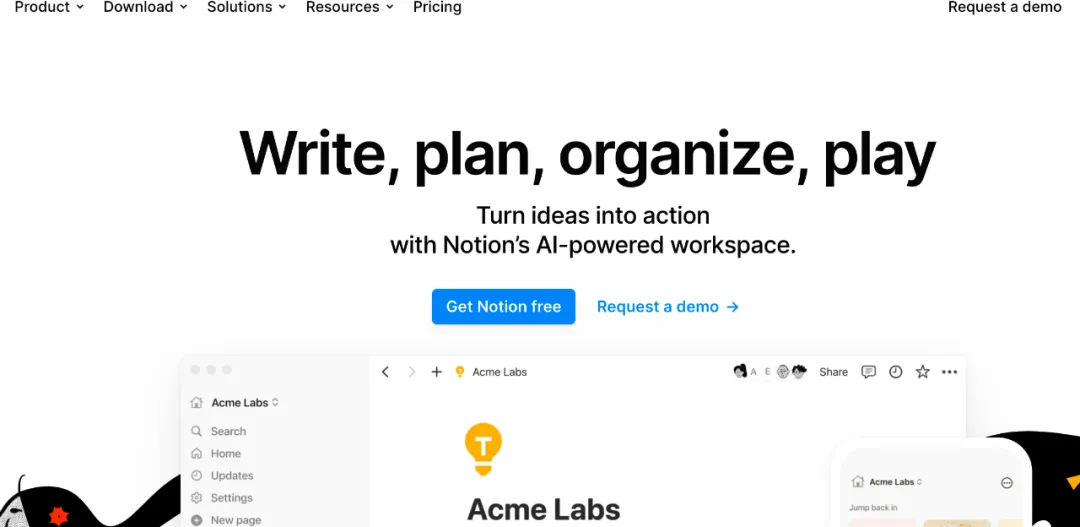
4. Notion — the all-in-one workspace URL: https://www.notion.so Rating: ⭐⭐⭐⭐⭐ Best for: note-takers, project managers, teams. What it does: Notion combines notes, to-dos, calendars and databases. Organize thinking, manage projects, capture ideas, collaborate. My experience: if I could recommend only one tool, it's Notion. I'm a database nerd; Evernote carried me from university onward and I kept hoping its updates would catch up. Unfortunately, as my needs grew — code, tables, images, attachments in one note — it fell behind. I tried Feishu and Youdao; neither stuck.
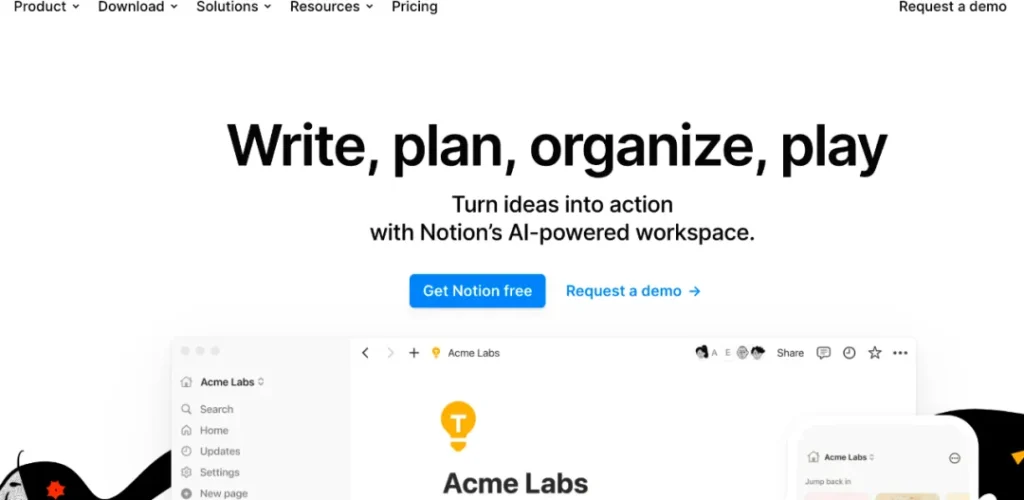
Notion interface
Notion solved it completely. Even ignoring its AI features it crushes Evernote-class products (except web clipping — Evernote's is still excellent). Oh, and Notion can host a storefront site — didn't expect that? I'll share how sometime.
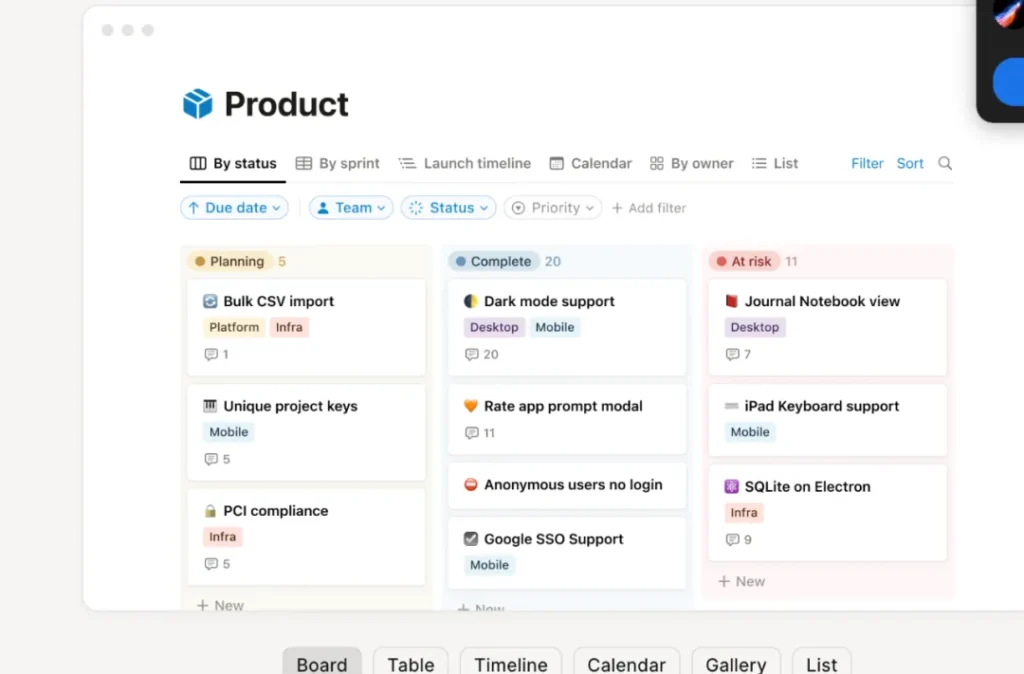
Notion interface 2